
1329 Main St, Rochester, IN 46975

Call Now

Implant & Cosmetic Dentistry of Northern Indiana
  • About
    • Meet Our Team
  • Services
    • Cosmetic Dentistry
      • Cosmetic Tooth Bonding
      • Dental Veneers
      • Dentures
      • Invisalign
      • Teeth Whitening
    • Dental Implants
    • General Dentistry
      • Dental Cleaning And Exams
      • Digital X-Rays
      • Oral Cancer Screening
    • Oral Surgery
      • Bone Grafting
      • Dental Implants
      • Tooth Extractions
    • Restorative Dentistry
      • Dental Bridges
      • Gum Contouring
      • Gum Grafts
      • Periodontal Gum Disease
      • Root Canal Therapy
      • Tooth Fillings
    • Pediatric Dentistry
      • Dental Sealants
    • Emergency Dentistry
    • Sedation Dentistry
    • TMJ Treatment
    • Endodontics
  • New Patients
  • Financing
  • Blog
  • Contact
Book An Appointment
  • Dental Teeth Cleaning: Best Practices for a Healthy Smile and Lasting Results

    Dental Teeth Cleaning: Best Practices for a Healthy Smile and Lasting Results

    What are the essential aspects of Dental Teeth Cleaning that contribute to a healthy smile and lasting results? Dental Teeth Cleaning is a crucial part of oral hygiene that helps maintain the health of your teeth and gums. By understanding the best practices, you can ensure your smile remains bright and healthy for years to come.

    Importance of Regular Dental Visits

    Regular dental visits play a crucial role in maintaining oral health and ensuring the effectiveness of dental teeth cleaning. These visits allow dental professionals to thoroughly examine your teeth and gums, identifying any potential issues before they become significant problems. By scheduling routine check-ups, you can ensure that your dental teeth cleaning is performed with precision, contributing to a healthier smile and preventing long-term dental complications.

    Moreover, consistent dental appointments provide an opportunity for professional cleanings that remove plaque and tartar buildup, which are not easily addressed by regular brushing and flossing alone. This proactive approach not only enhances the results of your dental teeth cleaning but also supports overall oral hygiene. For those who may experience discomfort after a cleaning, understanding the Pain After Dental Cleaning: Understanding Causes and Tips for Quick Relief can be beneficial.

    Understanding Plaque and Tartar

    Plaque and tartar are common dental concerns that can significantly impact oral health if not properly managed. Plaque is a sticky, colorless film of bacteria that forms on teeth and gums. It develops when food particles mix with saliva, creating an environment where bacteria can thrive. If plaque is not removed through regular brushing and flossing, it can harden into tartar, also known as calculus. Tartar is a yellow or brown deposit that forms above and below the gum line, making it more challenging to clean teeth effectively.

    The presence of plaque and tartar can lead to various dental issues, including cavities, gum disease, and bad breath. Regular Dental Teeth Cleaning is essential to prevent these problems and maintain a healthy smile. Professional cleanings help remove plaque and tartar buildup that cannot be eliminated by regular home care alone. For those seeking comprehensive care, Dental Cleaning Services In Rochester offers thorough cleanings to ensure optimal oral health and lasting results.

    Dental Teeth Cleaning: Role of Professional Cleanings

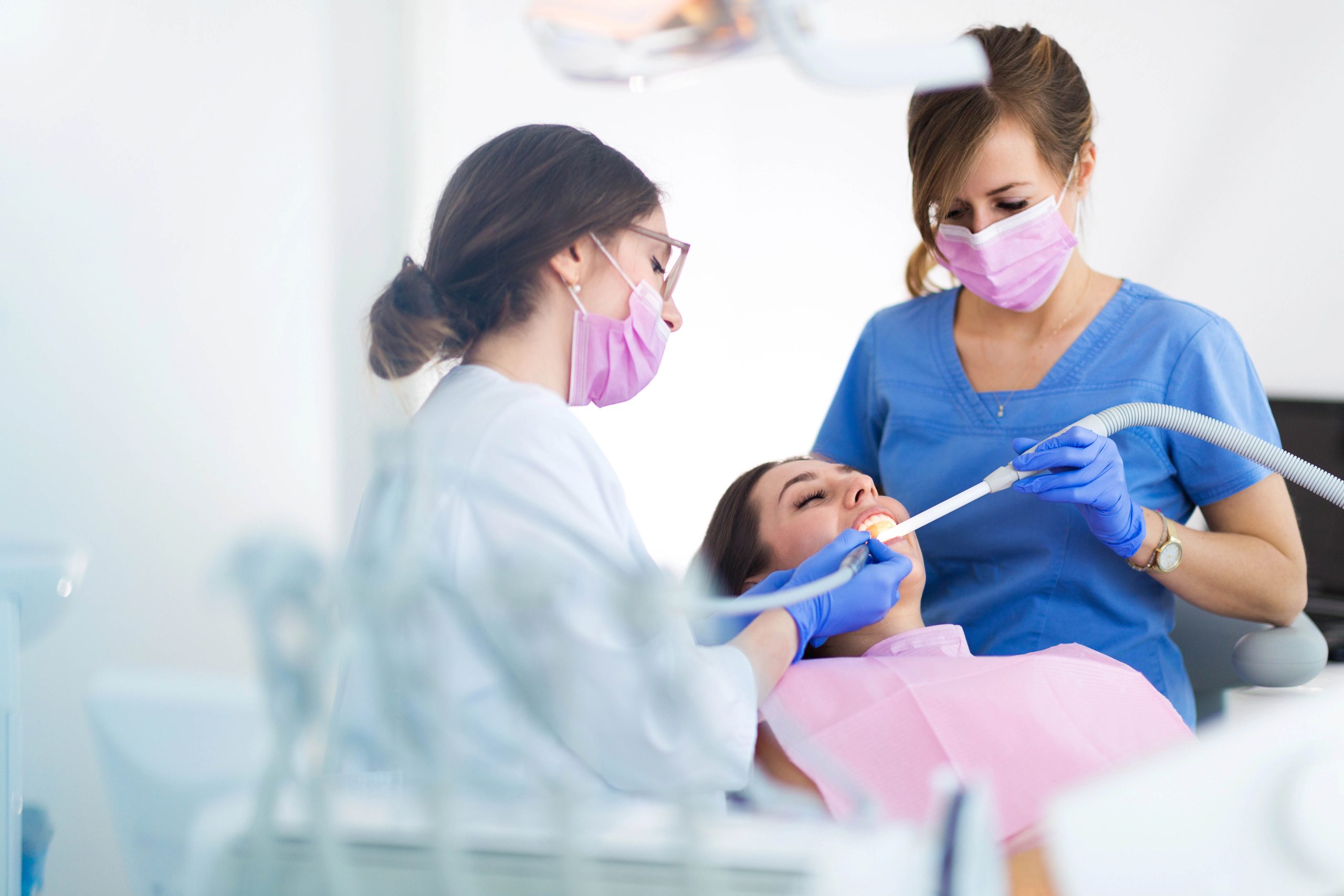
    Professional dental cleanings play a crucial role in maintaining oral health and achieving a bright, healthy smile. These cleanings, performed by dental hygienists, are essential for removing plaque and tartar buildup that regular brushing and flossing might miss. By thoroughly cleaning the teeth and gums, professional cleanings help prevent cavities, gum disease, and other oral health issues. Additionally, they provide an opportunity for dental professionals to examine the mouth for any signs of potential problems, ensuring early detection and intervention. Regular professional cleanings contribute to overall oral hygiene and support long-term dental health.

    Benefits of a Clean Mouth

    Maintaining a clean mouth through regular dental teeth cleaning is essential for promoting overall oral health and ensuring a bright, confident smile. A clean mouth helps prevent the buildup of plaque and tartar, which can lead to cavities and gum disease if left unchecked. Additionally, it contributes to fresher breath and can reduce the risk of more serious health issues linked to poor oral hygiene, such as heart disease and diabetes. By prioritizing dental teeth cleaning, individuals can enjoy the benefits of a healthier mouth and a more attractive smile. For those seeking expert care, Implant & Cosmetic Dentistry of Northern Indiana offers comprehensive services, and you can find more information by visiting the Rochester Dentist.

    Gum Health and Teeth Cleaning

    Maintaining optimal gum health is a crucial aspect of dental teeth cleaning, as it plays a significant role in achieving a healthy smile and ensuring lasting results. Healthy gums provide a strong foundation for your teeth, helping to prevent issues such as gum disease, which can lead to more serious dental problems if left unchecked. Regular dental teeth cleaning not only helps in removing plaque and tartar buildup but also supports the overall health of your gums. By prioritizing both gum health and teeth cleaning, you contribute to the longevity of your oral health, ensuring that your smile remains bright and vibrant.

    Connection Between Diet and Oral Health

    A balanced diet plays a crucial role in maintaining optimal oral health and enhancing the effectiveness of dental teeth cleaning. Consuming foods rich in vitamins and minerals, such as calcium, phosphorus, and vitamin D, supports strong teeth and gums, reducing the risk of cavities and gum disease. Limiting sugary snacks and beverages can prevent plaque buildup, which is essential for maintaining a clean and healthy mouth between professional cleanings. Incorporating crunchy fruits and vegetables like apples and carrots can naturally clean teeth surfaces and stimulate saliva production, further protecting against decay. By understanding the connection between diet and oral health, individuals can make informed choices that complement their dental teeth cleaning routine, ensuring a bright and lasting smile.

    Impact of Oral Hygiene on Confidence

    Maintaining good oral hygiene through regular dental teeth cleaning can significantly boost your confidence. A clean and healthy smile is often associated with positive self-esteem and a strong sense of self-assurance. When your teeth are well-cared for, it reflects in your smile, making you feel more comfortable in social interactions and professional settings. The simple act of keeping up with dental teeth cleaning not only contributes to your overall health but also enhances your ability to express yourself freely and confidently.

    Long-term Effects of Neglecting Cleanings

    Neglecting regular dental teeth cleaning can lead to a host of long-term oral health issues that may compromise the integrity of your smile. Over time, plaque and tartar build-up can result in gum disease, which is a leading cause of tooth loss in adults. Additionally, the accumulation of bacteria can contribute to bad breath and increase the risk of cavities, potentially leading to more serious infections that affect overall health. By understanding the importance of consistent dental teeth cleaning, individuals can better appreciate how it plays a crucial role in maintaining not only oral health but also general well-being.

    Myths About Dental Cleanings

    When it comes to dental teeth cleaning, several myths can cloud our understanding of its importance and effectiveness. One common misconception is that dental cleanings are only necessary when visible issues arise, such as tooth decay or gum disease. In reality, regular dental teeth cleaning is crucial for maintaining oral health and preventing these problems before they start. Another myth suggests that dental cleanings can weaken teeth, but professional cleanings are designed to remove plaque and tartar without harming the enamel. Additionally, some people believe that if they brush and floss diligently at home, they can skip professional cleanings. However, even with excellent oral hygiene practices, dental teeth cleaning by a professional is essential for reaching areas that are difficult to clean at home. Understanding these myths helps emphasize the importance of regular dental visits for a healthy smile and lasting results.

    Conclusion

    Maintaining a routine of Dental Teeth Cleaning is essential for a healthy smile and lasting results. For more information or to schedule an appointment, call 360-800-2013 or read our reviews on Google Maps.

    CMF Designer

    November 5, 2024
  • Pain After Dental Cleaning: Understanding Causes and Tips for Quick Relief

    Pain After Dental Cleaning: Understanding Causes and Tips for Quick Relief

    Have you ever experienced pain after dental cleaning and wondered why it happens? Pain after dental cleaning can occur due to various reasons, such as gum sensitivity or plaque removal, and understanding these causes can help in managing the discomfort effectively. While the discomfort is usually temporary, being aware of its origins can provide reassurance and ease concerns.

    Pain After Dental Cleaning: Common Causes of Dental Pain

    Experiencing pain after dental cleaning is a common concern for many individuals. This discomfort can arise from several factors, including the sensitivity of teeth and gums. During a dental cleaning, plaque and tartar are removed, which can sometimes expose sensitive areas of the teeth, leading to temporary discomfort. Additionally, if there is any underlying gum inflammation or periodontal disease, the cleaning process might exacerbate the sensitivity, resulting in pain after dental cleaning.

    Another potential cause of pain after dental cleaning is the use of dental instruments that may inadvertently irritate the gums or teeth. The pressure applied during the cleaning process can sometimes lead to soreness, especially if there are pre-existing dental issues. Understanding these common causes can help individuals better prepare for their dental visits and manage their expectations regarding discomfort. For those interested in planning their dental care budget, the article on Dental Cleaning Average Cost: What to Expect and How to Budget for Cleanings provides valuable insights.

    Sensitivity After Cleaning

    Experiencing sensitivity after a dental cleaning is a common occurrence for many individuals. This sensitivity can manifest as a sharp, temporary discomfort when consuming hot or cold foods and beverages. The sensation often arises because the cleaning process can expose the dentin layer of the teeth, which is more sensitive than the outer enamel. Additionally, the removal of plaque and tartar can sometimes leave the teeth feeling more exposed, leading to heightened sensitivity.

    While this sensitivity is typically short-lived, it can be an uncomfortable experience. It’s important to understand that this reaction is a normal part of maintaining oral health and usually subsides within a few days. For those seeking professional care and expertise in dental cleanings, the Rochester Dental Cleaning Experts provide comprehensive services to ensure optimal oral health.

    Gum Irritation Factors

    Experiencing pain after dental cleaning can often be attributed to gum irritation, a common occurrence for many individuals. This discomfort may arise from several factors, including the sensitivity of the gums, the presence of plaque or tartar buildup, or even the technique used during the cleaning process. The gums can become inflamed or tender as they react to the removal of plaque and tartar, which may have been present for an extended period. Additionally, if the gums are already sensitive or if there is underlying gum disease, the likelihood of experiencing pain increases. Understanding these factors can help in recognizing why gum irritation occurs and why it might lead to discomfort following a dental visit.

    Toothache Triggers Post-Cleaning

    Experiencing pain after dental cleaning can be unsettling, especially when it manifests as a toothache. This discomfort may arise from several factors, including heightened tooth sensitivity due to exposed dentin, gum inflammation from plaque removal, or pre-existing dental issues that become more noticeable after a thorough cleaning. The process of removing tartar and plaque can sometimes irritate the gums and teeth, leading to temporary soreness or sensitivity. Understanding these potential triggers can help alleviate concerns about the pain after dental cleaning. For those seeking further insights into dental health, the team at Implant & Cosmetic Dentistry of Northern Indiana, led by the experienced Rochester Dentist, is a valuable resource.

    Impact of Dental Tools

    The experience of pain after dental cleaning can often be attributed to the impact of dental tools used during the procedure. These tools, essential for removing plaque and tartar, can sometimes cause temporary discomfort or sensitivity in the gums and teeth. The scraping and polishing actions, while crucial for maintaining oral health, may lead to minor irritation or soreness, especially if there is pre-existing gum inflammation or sensitivity. Understanding that this discomfort is typically short-lived can help alleviate concerns, as the tools are designed to ensure thorough cleaning and promote long-term dental health.

    Role of Oral Hygiene

    Maintaining proper oral hygiene plays a crucial role in minimizing discomfort and pain after dental cleaning. Regular brushing and flossing help prevent the buildup of plaque and tartar, which can contribute to gum sensitivity and inflammation. When oral hygiene is neglected, the gums may become more susceptible to irritation during a professional cleaning, potentially leading to increased pain after dental cleaning. By understanding the importance of consistent oral care, individuals can better manage their oral health and reduce the likelihood of experiencing discomfort following dental procedures.

    Temporary Discomfort Duration

    Experiencing pain after dental cleaning is a common concern for many individuals, and understanding the typical duration of this temporary discomfort can provide some reassurance. Generally, any pain or sensitivity following a dental cleaning is short-lived, often subsiding within a few hours to a couple of days. This mild discomfort is usually due to the thorough removal of plaque and tartar, which can leave teeth and gums feeling sensitive. While the intensity and duration of pain after dental cleaning can vary from person to person, it is important to remember that this discomfort is usually temporary and part of the process of maintaining good oral health.

    When to Seek Help

    Experiencing pain after dental cleaning is common, but it’s important to know when it might be a sign of something more serious. If the pain after dental cleaning persists for more than a few days, intensifies, or is accompanied by symptoms such as swelling, fever, or bleeding, it may be time to consult a dental professional. These could be indicators of an underlying issue that requires attention. Understanding when to seek help ensures that any potential complications are addressed promptly, maintaining your oral health and peace of mind.

    Understanding Pain Variability

    Pain after dental cleaning can vary significantly from person to person, influenced by several factors such as individual pain tolerance, the condition of the gums, and the presence of any underlying dental issues. Some individuals may experience mild discomfort, while others might feel more intense pain. This variability is often due to the different levels of plaque buildup and gum sensitivity, which can affect how the gums react to the cleaning process. Additionally, those with pre-existing conditions like gum disease may find that their pain after dental cleaning is more pronounced compared to those with healthier gums. Understanding these differences can help in recognizing that pain levels are subjective and can fluctuate based on personal dental health circumstances.

    Conclusion

    Experiencing pain after dental cleaning can be concerning, but understanding its causes can help ease your mind. If you have any questions or need further assistance, feel free to call us at 360-800-2013 or check out our Google Maps reviews.

    CMF Designer

    November 5, 2024
  • Dental Cleaning Average Cost: What to Expect and How to Budget for Cleanings

    Dental Cleaning Average Cost: What to Expect and How to Budget for Cleanings

    Have you ever wondered about the dental cleaning average cost and how it might impact your budget? Understanding the dental cleaning average cost can help you anticipate expenses and plan accordingly, ensuring that you maintain your oral health without financial surprises.

    Understanding Dental Cleaning Procedures

    Dental Cleaning Average Cost is a common concern for many individuals seeking to maintain their oral health. Understanding the procedures involved in a dental cleaning can help demystify the process and provide insight into what you’re paying for. Typically, dental cleaning involves the removal of plaque and tartar from the teeth, which is essential for preventing cavities and gum disease. The procedure usually starts with a physical examination of your mouth, followed by scaling to remove tartar, and then polishing to eliminate surface stains. This comprehensive approach ensures that your teeth are not only clean but also healthy.

    The Dental Cleaning Average Cost can vary depending on several factors, including the complexity of the cleaning required and the geographic location of the dental practice. It’s important to note that regular cleanings are a preventive measure that can save you from more costly dental procedures in the future. For those looking for immediate options, consider exploring Walk In Dental Cleaning Near Me: Convenient Options for a Same-Day Clean to find accessible services in your area.

    Dental Cleaning Average Cost: Factors Influencing Cleaning Costs

    When considering the dental cleaning average cost, it’s important to understand the various factors that can influence the price you might pay. Geographic location plays a significant role, as dental services in urban areas or regions with a higher cost of living tend to be more expensive than those in rural areas. Additionally, the experience and reputation of the dental professional can impact costs, with more established practitioners potentially charging higher fees for their services. The complexity of the cleaning required, such as whether it’s a routine cleaning or involves more intensive procedures like scaling and root planing, can also affect the overall cost.

    Another factor to consider is whether the dental practice offers any additional services or amenities that might be included in the cleaning package. Some practices may provide comprehensive exams or use advanced technology, which could increase the dental cleaning average cost. Insurance coverage is another crucial element, as it can significantly reduce out-of-pocket expenses depending on your plan’s specifics. For those seeking an Affordable Dental Cleaning Rochester option, understanding these factors can help in making informed decisions about budgeting for dental care.

    Regional Cost Variations

    When considering the Dental Cleaning Average Cost, it’s important to recognize that prices can vary significantly depending on your location. In urban areas or regions with a higher cost of living, dental cleaning services may be more expensive compared to rural areas. Factors such as local demand, the availability of dental professionals, and regional economic conditions can all influence the cost. Additionally, some states or cities may have specific regulations or standards that impact pricing. Understanding these regional cost variations can help you better anticipate what you might pay for dental cleanings in your area.

    Frequency of Dental Cleanings

    Understanding the frequency of dental cleanings is essential when considering the dental cleaning average cost. Typically, most dental professionals recommend scheduling a cleaning every six months to maintain optimal oral health. However, the frequency can vary based on individual needs, oral health conditions, and the advice of your dentist. Regular cleanings help prevent plaque buildup and potential dental issues, which can ultimately impact the overall cost of dental care. For those in Northern Indiana seeking more information on maintaining oral health, Implant & Cosmetic Dentistry of Northern Indiana offers insights through their Rochester Dentist services.

    Insurance Coverage for Cleanings

    When considering the dental cleaning average cost, it’s important to understand how insurance coverage can impact your expenses. Many dental insurance plans cover routine cleanings as part of their preventive care benefits, often allowing for one or two cleanings per year at little to no out-of-pocket cost. However, the extent of coverage can vary significantly between different insurance providers and plans. Some plans may cover a percentage of the cleaning cost, while others might require a co-payment or deductible. It’s essential to review your specific insurance policy to determine what portion of the dental cleaning average cost will be covered, ensuring you can budget accordingly for any potential out-of-pocket expenses.

    Out-of-Pocket Expenses

    When considering the dental cleaning average cost, it’s important to factor in potential out-of-pocket expenses that may arise. These costs can vary significantly depending on your location, the dental practice you choose, and whether you have dental insurance coverage. Even with insurance, there might be co-pays or deductibles that contribute to your overall expenses. For those without insurance, the dental cleaning average cost can be a more substantial financial consideration, as you’ll be responsible for covering the full amount charged by the dental office. Understanding these potential out-of-pocket expenses can help you better prepare financially for your dental care needs.

    Comparing Private and Public Clinics

    When considering the dental cleaning average cost, it’s important to understand the differences between private and public clinics. Private clinics often have higher fees due to their advanced facilities, personalized care, and shorter wait times. In contrast, public clinics may offer more affordable rates, as they are often subsidized by government programs or community health initiatives. However, this can sometimes mean longer wait times and less flexibility in scheduling appointments. The choice between private and public clinics can significantly impact the dental cleaning average cost, depending on individual preferences and financial considerations.

    Budgeting for Regular Cleanings

    Understanding the dental cleaning average cost is essential when planning your budget for regular dental visits. Dental cleanings are a crucial part of maintaining oral health, and knowing the average cost can help you allocate funds appropriately. While prices can vary based on location and specific dental practices, having a general idea of the dental cleaning average cost allows you to set aside the necessary amount in your budget. This foresight ensures that you can maintain consistent dental care without financial strain, contributing to long-term oral health and overall well-being.

    Importance of Routine Dental Visits

    Routine dental visits play a crucial role in maintaining oral health and can significantly impact the overall well-being of an individual. Regular check-ups and cleanings help in the early detection of potential dental issues, preventing them from escalating into more serious problems. Understanding the dental cleaning average cost is essential for budgeting these routine visits, ensuring that they remain a consistent part of your healthcare regimen. By prioritizing regular dental appointments, individuals can maintain healthy teeth and gums, ultimately contributing to a healthier lifestyle.

    Conclusion

    Understanding the Dental Cleaning Average Cost can help you plan effectively for your oral health needs; for more information, call 360-800-2013 or read reviews on Google Maps.

    CMF Designer

    November 5, 2024
  • Walk In Dental Cleaning Near Me: Convenient Options for a Same-Day Clean

    Walk In Dental Cleaning Near Me: Convenient Options for a Same-Day Clean

    Are you searching for “Walk In Dental Cleaning Near Me” to find convenient options for a same-day clean? Many dental offices now offer flexible walk-in services, allowing you to receive professional cleaning without the need for an appointment. This approach caters to busy schedules, ensuring your oral health is maintained with ease.

    Walk In Dental Cleaning Near Me: Importance of Regular Dental Cleanings

    Regular dental cleanings are a crucial component of maintaining optimal oral health. When searching for “Walk In Dental Cleaning Near Me,” it’s important to understand that these cleanings help prevent the buildup of plaque and tartar, which can lead to cavities and gum disease. By removing these harmful substances, dental cleanings play a vital role in preventing more serious dental issues that could require extensive treatment. Additionally, regular cleanings can help detect early signs of oral health problems, allowing for timely intervention and management.

    Moreover, opting for a “Walk In Dental Cleaning Near Me” ensures that you can maintain a consistent schedule for your oral hygiene routine. This consistency is key to preserving the health of your teeth and gums over time. Regular visits to the dentist not only keep your smile bright but also contribute to your overall well-being by reducing the risk of oral infections that can affect other parts of your body. For more information on the different types of dental cleanings available, you can explore our detailed guide on Types of Dental Cleaning: Which One Is Right for Your Oral Health Needs?

    Benefits of Professional Teeth Cleaning

    Professional teeth cleaning offers numerous advantages that go beyond the capabilities of regular at-home oral hygiene routines. One of the primary benefits is the thorough removal of plaque and tartar buildup, which can be difficult to eliminate with just brushing and flossing. This process helps in preventing cavities and gum disease, ensuring that your teeth and gums remain healthy. Additionally, professional cleanings can help in identifying potential oral health issues early on, allowing for timely intervention and treatment.

    Another significant benefit of opting for a walk in dental cleaning near me is the enhancement of your overall oral health. Regular professional cleanings can lead to fresher breath and a brighter smile, boosting your confidence in social and professional settings. Moreover, these cleanings can contribute to better overall health by reducing the risk of certain systemic conditions linked to poor oral hygiene. For those seeking a reliable option, consider visiting the Top Dental Cleaning In Rochester for a comprehensive dental cleaning experience.

    Understanding Dental Plaque and Tartar

    Dental plaque and tartar are common oral health concerns that can affect anyone, making regular dental cleanings essential. Plaque is a sticky, colorless film of bacteria that forms on your teeth, while tartar is a hardened version of plaque that can lead to more serious dental issues if not addressed. When searching for “Walk In Dental Cleaning Near Me,” it’s important to understand that these cleanings can help manage plaque and tartar buildup, contributing to better oral hygiene and overall health. Regular cleanings can prevent the progression of plaque into tartar, which is more difficult to remove and may require professional intervention.

    What to Expect During a Cleaning

    When you opt for a walk-in dental cleaning near me, you can anticipate a thorough and professional experience designed to maintain your oral health. The process typically begins with a dental hygienist examining your teeth and gums to assess their condition. This is followed by the removal of plaque and tartar using specialized tools, ensuring that your teeth are free from harmful buildup. Next, your teeth will be polished to remove surface stains and leave them feeling smooth and clean. Finally, a fluoride treatment may be applied to help protect your teeth against cavities. This comprehensive approach ensures that you leave the dental office with a refreshed and healthy smile. For those in the area, Implant & Cosmetic Dentistry of Northern Indiana offers these services, and you can find more information by visiting the Rochester Dentist.

    Frequency of Dental Cleanings

    Regular dental cleanings are an essential part of maintaining oral health, and understanding the recommended frequency can help ensure optimal dental hygiene. While individual needs may vary, many dental professionals suggest that most people benefit from a cleaning every six months. This routine helps in the early detection of potential issues and the removal of plaque and tartar buildup that regular brushing and flossing might miss. However, some individuals with specific dental conditions or a higher risk of oral health problems might require more frequent visits. By adhering to a consistent schedule, individuals can contribute to their overall oral health and potentially prevent more serious dental issues in the future.

    Common Tools Used in Cleanings

    When searching for “Walk In Dental Cleaning Near Me,” it’s helpful to understand the common tools used during a professional dental cleaning. Dental hygienists typically use a variety of instruments to ensure a thorough clean. These may include scalers and curettes for removing plaque and tartar, ultrasonic instruments that use vibrations to break up deposits, and polishers to smooth the teeth’s surface. Additionally, dental mirrors and probes are essential for examining hard-to-see areas and assessing gum health. Understanding these tools can provide peace of mind when visiting a walk-in dental clinic for a same-day cleaning.

    Role of Dental Hygienists

    Dental hygienists play a crucial role in maintaining oral health, especially when it comes to walk-in dental cleaning services. These professionals are trained to perform thorough cleanings, which are essential for preventing gum disease and tooth decay. When searching for “Walk In Dental Cleaning Near Me,” it’s important to understand that dental hygienists are the ones who typically conduct these cleanings. They use specialized tools to remove plaque and tartar buildup, ensuring that your teeth and gums remain healthy. Their expertise not only contributes to a brighter smile but also supports overall oral hygiene, making them an integral part of any dental care team.

    Health Impacts of Oral Hygiene

    Maintaining good oral hygiene is crucial for overall health, as it can prevent a range of dental and systemic issues. Regular dental cleanings help remove plaque and tartar buildup, reducing the risk of cavities and gum disease. Poor oral health has been linked to more serious conditions such as heart disease, diabetes, and respiratory infections. By opting for a “Walk In Dental Cleaning Near Me,” individuals can conveniently address their oral health needs, potentially improving their general well-being and reducing the risk of health complications associated with poor dental hygiene.

    Differences Between Cleaning Types

    When searching for “Walk In Dental Cleaning Near Me,” it’s important to understand the differences between various types of dental cleanings. Generally, dental cleanings can be categorized into routine cleanings, deep cleanings, and periodontal maintenance. Routine cleanings, often referred to as prophylaxis, are typically performed on patients with healthy gums and are designed to maintain oral health by removing plaque and tartar. Deep cleanings, or scaling and root planing, are more intensive and target the removal of bacteria from below the gum line, often recommended for those with gum disease. Periodontal maintenance is a follow-up procedure for patients who have undergone treatment for gum disease, focusing on preventing further progression. Understanding these distinctions can help you make informed decisions when considering a walk-in dental cleaning near you.

    Conclusion

    Discover the ease of finding a “Walk In Dental Cleaning Near Me” and enjoy a brighter smile today; call 360-800-2013 or read reviews on Google Maps.

    CMF Designer

    November 5, 2024
  • Types of Dental Cleaning: Which One Is Right for Your Oral Health Needs?

    Types of Dental Cleaning: Which One Is Right for Your Oral Health Needs?

    Are you curious about the different Types of Dental Cleaning and which one might suit your oral health needs best? Understanding the various Types of Dental Cleaning can help you recognize the specific procedures involved, from routine cleanings to more intensive treatments, ensuring you maintain optimal oral hygiene.

    Types Of Dental Cleaning

    Dental cleanings are an essential part of oral hygiene, helping to maintain healthy teeth and gums. There are various types of dental cleanings tailored to different oral health needs, from routine maintenance to deep cleanings designed to treat gum disease. Understanding these types can help you choose the right one for optimal dental health.

    Routine Dental Cleaning

    Routine dental cleaning, also known as prophylaxis, is one of the most common types of dental cleaning procedures. It is typically performed by a dental hygienist and is designed to maintain oral health by removing plaque and tartar buildup from the teeth. This type of cleaning is usually recommended every six months to prevent cavities, gum disease, and other oral health issues. During a routine dental cleaning, the hygienist will use specialized tools to clean the surfaces of your teeth, ensuring that your mouth remains healthy and free from harmful bacteria.

    Among the various types of dental cleaning, routine dental cleaning serves as a preventive measure to keep your teeth and gums in optimal condition. It is an essential part of oral hygiene that helps in identifying potential problems early on. While routine cleanings are generally straightforward, some individuals may experience discomfort afterward. If you find yourself with tender gums following a cleaning, you might want to explore the reasons behind it by reading this informative article: Sore Gums After Dental Cleaning: Common Reasons and How to Ease Discomfort.

    Deep Cleaning Procedure

    Deep cleaning, also known as scaling and root planing, is a specialized dental cleaning procedure designed to treat gum disease and prevent its progression. Unlike regular cleanings that focus on the surfaces of the teeth, deep cleaning targets the areas below the gum line to remove plaque and tartar buildup. This type of dental cleaning is essential for maintaining healthy gums and preventing further oral health issues. It involves two main steps: scaling, which removes plaque and tartar from the tooth surfaces and pockets between the teeth and gums, and root planing, which smooths the tooth roots to help gums reattach to the teeth.

    Understanding the different types of dental cleaning is crucial for maintaining optimal oral health. Deep cleaning is typically recommended for individuals with signs of gum disease, such as inflammation or bleeding gums. By addressing these issues early, deep cleaning can help restore gum health and prevent more severe dental problems in the future. For those seeking comprehensive dental care, consider exploring Rochester’s Best Dental Cleaning to learn more about available options.

    Periodontal Maintenance Cleaning

    Periodontal maintenance cleaning is a specialized type of dental cleaning designed for individuals who have experienced gum disease. Unlike regular cleanings, this procedure focuses on maintaining the health of the gums and preventing further progression of periodontal issues. It involves thorough cleaning below the gum line to remove plaque and tartar buildup that can lead to inflammation and infection. As one of the essential types of dental cleaning, periodontal maintenance is typically recommended at regular intervals to ensure optimal oral health and to manage any ongoing periodontal conditions effectively.

    Scaling and Root Planing

    Scaling and root planing is a deep cleaning procedure that targets the removal of plaque and tartar from below the gum line, making it an essential part of the various types of dental cleaning. This method is particularly beneficial for individuals with gum disease, as it helps in reducing inflammation and preventing further progression of periodontal issues. Thoroughly cleaning the root surfaces, scaling, and root planing promote healthier gums and support overall oral health. For those seeking comprehensive dental care, Implant & Cosmetic Dentistry of Northern Indiana offers a range of services to meet your needs, and you can find more information by visiting your local Rochester Dentist.

    Gross Debridement Cleaning

    Gross Debridement Cleaning is a type of dental cleaning that is often necessary for individuals who have not visited the dentist in a while and have significant plaque and tartar buildup. This procedure is more intensive than a regular cleaning, as it involves the removal of hardened deposits on the teeth and gums to allow for a more thorough examination of the oral cavity. Among the various types of dental cleaning, gross debridement is essential for ensuring that the dentist can accurately assess the health of your teeth and gums, especially when there is excessive accumulation that obscures the view. This cleaning type serves as a preliminary step to help restore oral health by clearing away substantial debris, making it easier to maintain a clean and healthy mouth.

    Prophylaxis Cleaning Overview

    Prophylaxis cleaning is a common procedure within the types of dental cleaning that focuses on maintaining oral health by removing plaque, tartar, and surface stains from the teeth. This routine cleaning is typically performed during regular dental check-ups and is essential for preventing gum disease and tooth decay. By addressing the buildup of harmful substances on the teeth, prophylaxis cleaning helps to ensure a healthy oral environment, contributing to overall dental hygiene.

    Gingivitis Treatment Cleaning

    Gingivitis Treatment Cleaning is a specialized type of dental cleaning designed to address the early stages of gum disease, known as gingivitis. This form of cleaning focuses on removing plaque and tartar buildup that can lead to inflammation and bleeding of the gums. As one of the essential types of dental cleaning, it plays a crucial role in maintaining oral health by targeting the bacteria that cause gum irritation. Regular gingivitis treatment cleanings can help manage symptoms and prevent the progression of gum disease, ensuring healthier gums and a brighter smile.

    Full Mouth Debridement

    Full Mouth Debridement is a crucial procedure among the various types of dental cleaning, especially when there is a significant buildup of plaque and tartar that obstructs the dentist’s ability to perform a comprehensive oral examination. This type of cleaning is typically necessary when regular cleanings are insufficient due to the extent of deposits on the teeth and gums. By removing these deposits, Full Mouth Debridement helps in restoring oral health, allowing for a more thorough assessment of the teeth and gums. Understanding the different types of dental cleaning, including Full Mouth Debridement, can be essential for maintaining optimal oral hygiene and health.

    Oral Health Assessment

    An oral health assessment is a crucial step in determining the most suitable types of dental cleaning for your specific needs. During this assessment, a dental professional evaluates the overall condition of your teeth and gums, identifying any potential issues that may require attention. This comprehensive evaluation helps in understanding the current state of your oral health, allowing for a personalized approach to dental cleaning. By assessing factors such as plaque buildup, gum health, and any signs of tooth decay, the dental professional can recommend the appropriate types of dental cleaning to maintain or improve your oral hygiene.

    Conclusion

    Understanding the different Types of Dental Cleaning is essential for maintaining optimal oral health. To learn more or schedule an appointment, call us at 360-800-2013 and check out our Google Maps reviews.
    “`

    CMF Designer

    November 5, 2024
  • Sore Gums After Dental Cleaning: Common Reasons and How to Ease Discomfort

    Sore Gums After Dental Cleaning: Common Reasons and How to Ease Discomfort

    Have you ever experienced sore gums after dental cleaning and wondered why this happens? Sore gums after dental cleaning can be a common occurrence due to the removal of plaque and tartar, which may cause temporary irritation. Understanding the reasons behind this discomfort can help in recognizing that it’s often a normal part of maintaining oral health.

    Sore Gums After Dental Cleaning

    Experiencing sore gums after dental cleaning is a common concern for many individuals. This discomfort can arise from several causes, primarily due to the thorough nature of the cleaning process. During a dental cleaning, plaque and tartar are removed from the teeth and gum line, which can sometimes lead to temporary irritation or inflammation of the gums. The use of dental instruments to clean hard-to-reach areas may also contribute to this soreness, as the gums are sensitive and can react to the physical manipulation involved in the cleaning process.

    Another potential cause of gum soreness after a dental cleaning is pre-existing gum conditions. If an individual has gingivitis or periodontal disease, their gums may already be inflamed or sensitive, making them more susceptible to discomfort following a cleaning. Additionally, if there is a buildup of plaque or tartar, the cleaning process might be more intensive, leading to increased sensitivity. For more information on maintaining oral health and understanding the cleaning process, you can explore our guide on Dental Teeth Cleaning: Best Practices for a Healthy Smile and Lasting Results.

    Gum Sensitivity Factors

    Experiencing sore gums after dental cleaning is a common concern for many individuals. Several factors can contribute to gum sensitivity, including the natural sensitivity of your gums, the presence of plaque or tartar buildup, and the intensity of the cleaning process. Some people naturally have more sensitive gums, which can react more noticeably to the cleaning tools used during a dental appointment. Additionally, if there is significant plaque or tartar accumulation, the cleaning process might be more rigorous, potentially leading to temporary discomfort.

    Another factor that can influence gum sensitivity is the overall health of your gums. Conditions such as gingivitis or periodontitis can make gums more susceptible to soreness after a cleaning. It’s important to understand that while some discomfort is normal, it should not be severe or long-lasting. If you have concerns, consider discussing them with your dentist during your next Professional Dental Cleaning Rochester appointment.

    Normal Healing Process

    Experiencing sore gums after dental cleaning is a common occurrence and is often part of the normal healing process. During a dental cleaning, plaque and tartar are removed from the teeth and gum line, which can sometimes lead to temporary irritation and soreness. This discomfort is typically a sign that your gums are responding to the cleaning and beginning to heal. The body’s natural healing mechanisms kick in to repair any minor abrasions or inflammation caused during the procedure, leading to a gradual reduction in soreness over time. Usually a normal part of the healing process can help alleviate concerns about this common post-cleaning experience.

    Common Symptoms Post-Cleaning

    After a dental cleaning, it’s not uncommon to experience a few symptoms that can cause temporary discomfort. Many individuals report sore gums after dental cleaning, which can be accompanied by slight swelling or tenderness in the gum area. Some people might also notice minor bleeding when brushing or flossing, as well as increased sensitivity to hot or cold foods and beverages. These symptoms are generally mild and should subside within a few days as your gums adjust to the thorough cleaning process.

    If you’re experiencing sore gums after dental cleaning and are looking for more information, the team at Implant & Cosmetic Dentistry of Northern Indiana, your trusted Rochester Dentist, is always ready to help.

    Professional Cleaning Techniques

    During a dental cleaning, professional techniques are employed to ensure the thorough removal of plaque and tartar, which can sometimes lead to sore gums after dental cleaning. Dental hygienists use specialized tools to meticulously clean the teeth and gum line, targeting areas that are often missed during regular brushing and flossing. This process, while essential for maintaining oral health, can occasionally cause temporary discomfort or sensitivity in the gums. The precision and effectiveness of these professional cleaning techniques are designed to promote long-term dental health, even if they result in short-term soreness.

    Gum Health Importance

    Understanding the importance of gum health is crucial, especially when experiencing sore gums after dental cleaning. Healthy gums are the foundation of a strong oral hygiene routine, playing a vital role in protecting your teeth and overall oral health. When gums are healthy, they form a tight seal around the teeth, preventing bacteria from entering and causing infections. However, after a dental cleaning, it’s not uncommon to experience some discomfort or soreness in the gums. This can be attributed to the removal of plaque and tartar buildup, which may have caused inflammation or sensitivity. Maintaining good gum health is essential for minimizing discomfort and ensuring that your gums remain resilient and capable of supporting your dental health in the long term.

    Frequency of Dental Cleanings

    Understanding the frequency of dental cleanings is essential for maintaining optimal oral health and minimizing issues like sore gums after dental cleaning. Regular dental cleanings, typically recommended every six months, help in removing plaque and tartar buildup that can lead to gum irritation. However, the exact frequency may vary based on individual oral health needs and the advice of a dental professional. Consistent cleanings play a crucial role in preventing gum disease and ensuring that any discomfort is minimized over time.

    Understanding Gum Inflammation

    Gum inflammation is a common occurrence that can lead to sore gums after dental cleaning. This condition, often characterized by redness, swelling, and tenderness, is typically a response to plaque buildup and the body’s natural defense mechanism against bacteria. During a dental cleaning, plaque and tartar are removed, which can sometimes irritate the gums, especially if they are already sensitive or inflamed. Understanding the underlying causes of gum inflammation can help in recognizing why sore gums after dental cleaning might occur, as the process of cleaning can temporarily exacerbate existing gum sensitivity.

    When to Consult a Dentist

    Experiencing sore gums after dental cleaning is relatively common, but there are instances when it may be necessary to consult a dentist. If the soreness persists beyond a few days, or if you notice excessive bleeding, swelling, or signs of infection, it could indicate an underlying issue that requires professional attention. Additionally, if the discomfort is severe or accompanied by other symptoms such as fever or persistent bad breath, seeking a dentist’s evaluation is advisable. Understanding when to consult a dentist can help ensure that any potential complications related to sore gums after dental cleaning are addressed promptly and effectively.

    Conclusion

    Understanding the causes of Sore Gums After Dental Cleaning can help you manage any discomfort you may experience. If you have concerns, feel free to call us at 360-800-2013 or check out our Google Maps reviews.

    CMF Designer

    November 5, 2024

Implant & Cosmetic Dentistry of Northern Indiana

Proudly making smiles brighter in the Northern Indiana area since 2005.

Book An Appointment

Contact

1329 Main St, Rochester, IN 46975

Call Now

Services

  • Cosmetic Dentistry

  • Dental Implants

  • Emergency Dentistry

  • General Dentistry

  • Oral Surgery

  • Restorative Dentistry

Hours

Monday: 9 AM–4 PM
Tuesday: 8 AM–5 PM
Wednesday: 8 AM–5 PM
Thursday: 8 AM–5 PM
Friday: Closed
Saturday: Closed
Sunday: Closed

© 2025 Implant & Cosmetic Dentistry of Northern Indiana. Privacy Policy

Ready to Schedule An Appointment?